Introduction to PRIMA
NASA has taken a significant step forward in space exploration by selecting the PRIMA (PRobe far-Infrared Mission for Astrophysics) as the inaugural mission in its new Probe Explorers class. Announced on September 24, 2026, PRIMA advances to Phase B, marking a critical milestone in its development. This mission is set to fill a crucial gap in the electromagnetic spectrum, specifically the far-infrared range, which lies between the capabilities of the James Webb Space Telescope (JWST) and radio telescopes.
The PRIMA Telescope
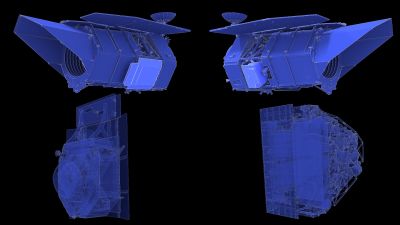
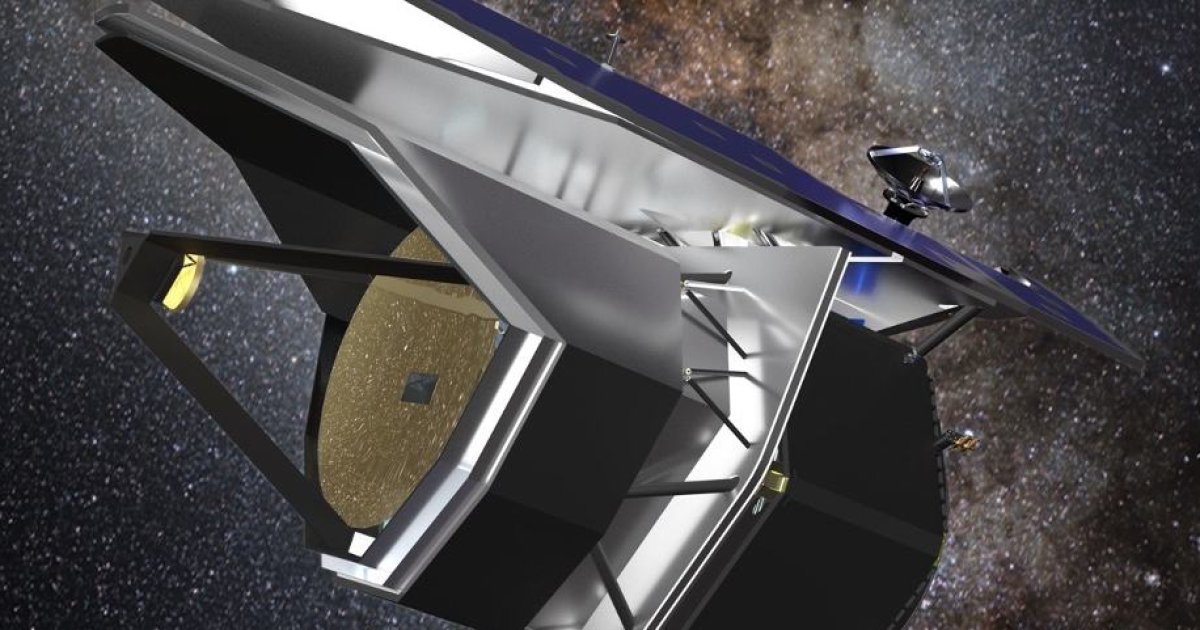
At the heart of PRIMA is a sophisticated 1.8-meter cryogenically cooled telescope. This design allows it to operate efficiently in the far-infrared spectrum, which spans wavelengths from 24 to 235 microns. The cryogenic cooling is essential for reducing thermal noise, thereby enhancing the telescope's sensitivity to faint cosmic signals. This capability is crucial for observing phenomena such as star formation, the interstellar medium, and the early stages of galaxy evolution.
PRIMAger Imaging Polarimeter
One of the key instruments aboard PRIMA is the PRIMAger imaging polarimeter. This device will enable the mission to capture detailed images of astronomical objects while also measuring their polarization. Polarization data can provide insights into the magnetic fields and scattering processes occurring in various cosmic environments, offering a new dimension to our understanding of the universe.
FIRESS Spectrometer
Complementing the imaging capabilities is the FIRESS (Far-Infrared Spectrometer for Space) spectrometer. This instrument is designed to dissect the light from cosmic sources into its constituent wavelengths, allowing scientists to identify the chemical composition, temperature, and motion of celestial objects. The spectrometer's broad coverage from 24 to 235 microns will enable it to probe the cold universe, revealing details that are invisible to telescopes operating at shorter wavelengths.
International Collaboration and Cost
PRIMA is not just a NASA endeavor; it represents a collaborative effort involving international partners. The mission's development and implementation involve contributions from institutions such as Caltech, JPL, and IPAC, along with international agencies that bring expertise and resources to the project. This collaboration is crucial for managing the mission's $1.2 billion cost cap, ensuring that PRIMA remains within budget while achieving its scientific objectives.
Filling the Far-Infrared Gap
The far-infrared spectrum has long been a challenging frontier for astronomers. While the JWST has expanded our view of the universe in the infrared, and radio telescopes have provided insights into longer wavelengths, the far-infrared range remains relatively unexplored. PRIMA's ability to observe in this range will bridge the gap, offering new opportunities to study the cold universe and the processes that govern cosmic evolution.
Looking Ahead to 2033
With a planned launch in 2033, PRIMA is poised to become a cornerstone of astrophysical research in the coming decades. Its observations will complement those of existing and future missions, providing a more complete picture of the universe. As scientists estimate, the data collected by PRIMA could revolutionize our understanding of star formation, galaxy evolution, and the role of magnetic fields in shaping the cosmos.
For more information about PRIMA and its objectives, you can visit the NASA JPL and Caltech websites.