Introduction to the Nancy Grace Roman Space Telescope
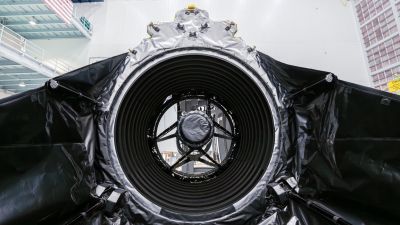
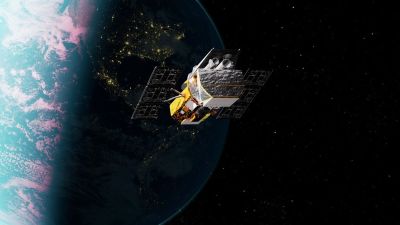
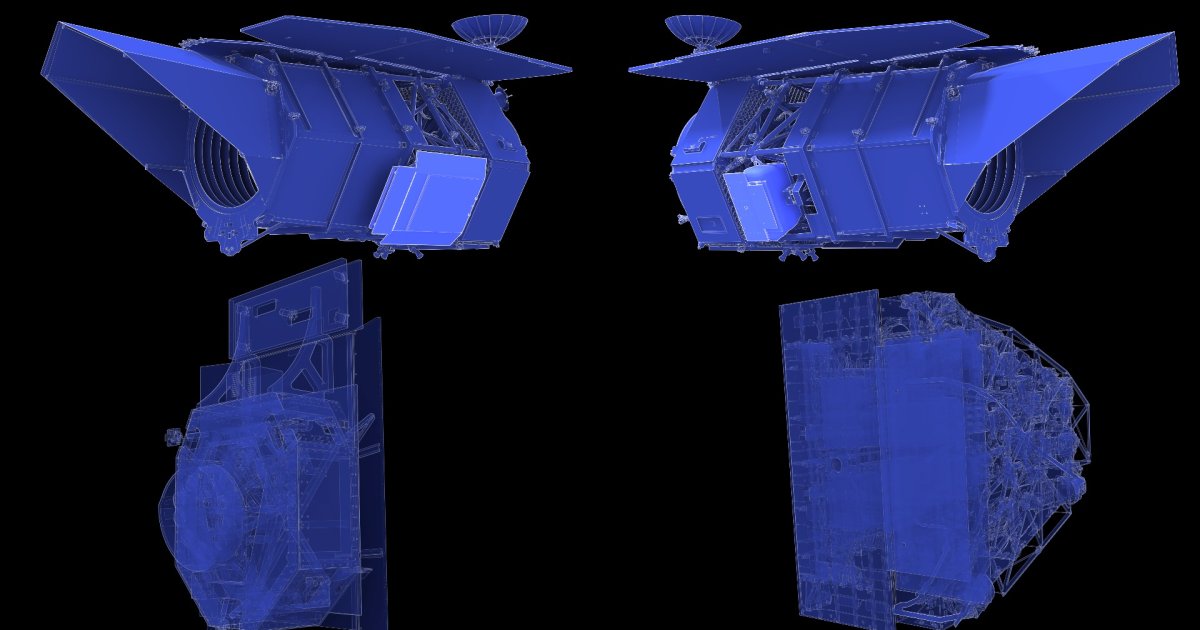
The Nancy Grace Roman Space Telescope, named after NASA's first Chief of Astronomy, is set to revolutionize our understanding of the cosmos. Officially commissioned in September 2026, this advanced observatory marks a significant milestone in space exploration. The telescope's primary instrument, the 300-megapixel Wide Field Instrument, has been activated, signaling the start of its scientific mission.
Activation of the Wide Field Instrument
The Wide Field Instrument (WFI) is the heart of the Roman Space Telescope, designed to capture vast cosmic landscapes with unparalleled clarity. Upon activation, the WFI produced its first-light test image, a crucial step in verifying the instrument's capabilities. This image, scientists estimate, showcases the telescope's ability to observe large portions of the sky with high resolution, a feature that will be instrumental in studying dark energy and exoplanets.
Element Wheel and Focus Mechanism Tests
Following the activation, engineers conducted a series of tests on the element wheel and focus mechanism. These components are essential for adjusting the telescope's optical path and ensuring sharp images. The tests confirmed that the mechanisms are functioning as expected, allowing the telescope to switch between different observational modes seamlessly.
Cooling the Detectors to -300°F
One of the critical challenges in operating the Roman Space Telescope is maintaining the detectors at extremely low temperatures. The detectors need to be cooled to -300°F to minimize thermal noise and enhance sensitivity. This cooling process was successfully completed, ensuring that the telescope can detect faint infrared signals from distant galaxies and stars.
Coronagraph Instrument Checkout at Caltech/IPAC
The Coronagraph Instrument, another key component of the Roman Space Telescope, underwent a thorough checkout at Caltech's Infrared Processing and Analysis Center (IPAC). This instrument is designed to block out starlight, allowing scientists to directly image exoplanets and study their atmospheres. The successful checkout indicates that the coronagraph is ready for its mission to explore distant worlds.
Mid-Course Correction and Fuel Savings
A remarkable aspect of the Roman Space Telescope's commissioning is the mid-course correction maneuver that resulted in significant fuel savings. By optimizing the trajectory, NASA engineers more than doubled the mission's potential lifetime. This achievement ensures that the telescope can continue its scientific endeavors for an extended period, providing more opportunities to uncover the mysteries of the universe.
Conclusion
The successful commissioning of the Nancy Grace Roman Space Telescope marks the beginning of a new era in astronomical research. With its advanced instruments and extended mission lifetime, the telescope is poised to make groundbreaking discoveries in the fields of dark energy, exoplanet exploration, and beyond. As the Roman Space Telescope embarks on its journey, the scientific community eagerly anticipates the insights it will bring.
For more details, visit the NASA blog and the mission page.