End of an Era: Swift's Final Days
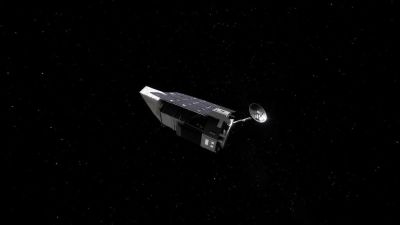
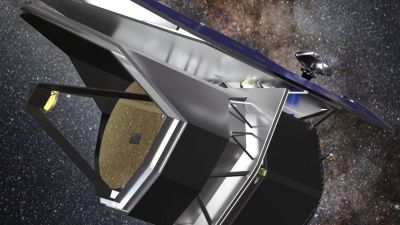
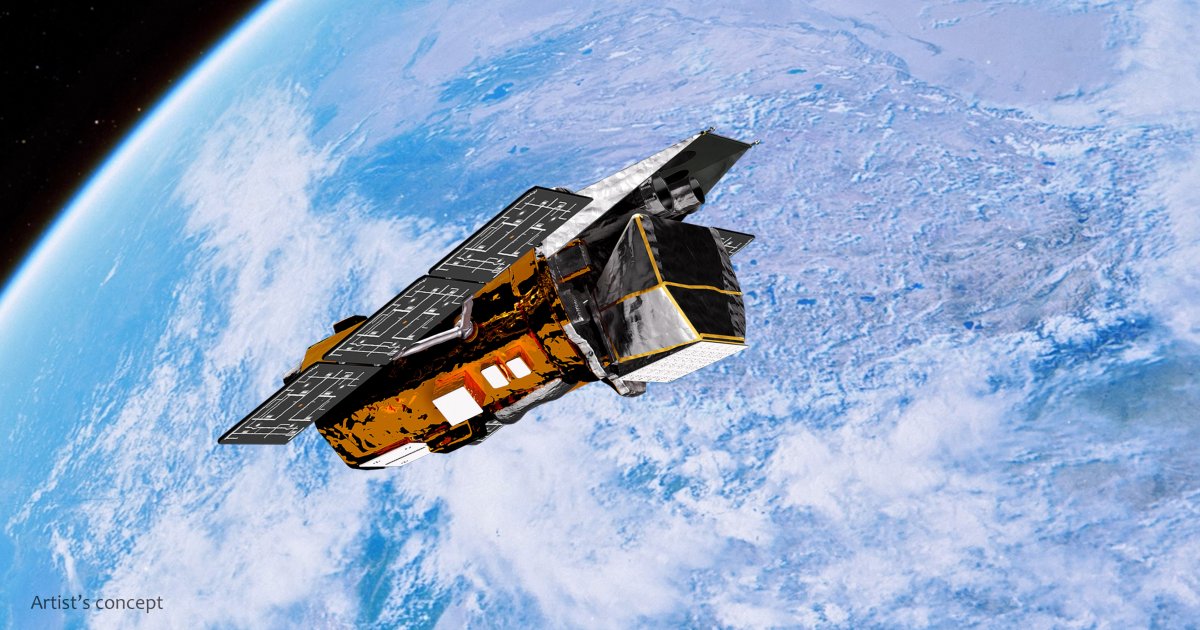
On October 20, 2026, NASA's Neil Gehrels Swift Observatory officially ended its science operations, marking the conclusion of a remarkable 22-year mission. The observatory, renowned for its contributions to the study of gamma-ray bursts (GRBs) and other cosmic phenomena, ceased operations after atmospheric drag rendered it unable to maintain steady pointing. As it descended below an altitude of 275 kilometers, the observatory prepared for its eventual re-entry into Earth's atmosphere, expected within weeks.
A Legacy of Discovery
Since its launch in 2004, the Swift Observatory has been instrumental in advancing our understanding of the universe. One of its most significant achievements was the detection and analysis of over 2,000 gamma-ray bursts, the most energetic explosions known to occur in the cosmos. These bursts, often associated with the collapse of massive stars or the merger of neutron stars, provide critical insights into the life cycles of stars and the formation of black holes.
In addition to GRBs, Swift's versatile instruments enabled the discovery of more than 1,400 supernovae, enhancing our knowledge of stellar evolution and the expansion of the universe. Its contributions have been documented in approximately 7,000 scientific papers, underscoring its impact on the field of astrophysics.
Highlighting Key Discoveries
Among Swift's many achievements, the detection of short burst GRB 050509B stands out. This event, observed in 2005, was pivotal in confirming that short gamma-ray bursts are linked to the merger of compact objects, such as neutron stars. This discovery provided a crucial piece of the puzzle in understanding the origins of these mysterious cosmic explosions.
Swift's ability to rapidly respond to gamma-ray bursts and relay data to ground-based observatories worldwide revolutionized the study of transient astronomical events. This capability allowed for real-time follow-up observations, leading to numerous breakthroughs in the understanding of high-energy astrophysical phenomena.
A Public Treasure Trove
The observatory's legacy extends beyond its scientific discoveries. Swift's data archive, comprising over 12 terabytes of information, remains publicly accessible, offering a valuable resource for current and future researchers. This extensive archive continues to support ongoing investigations and inspire new research in the field of high-energy astronomy.
Swift's commitment to open data aligns with NASA's broader mission to foster scientific collaboration and innovation. By making its findings publicly available, Swift has enabled a global community of scientists to build upon its discoveries and advance our understanding of the universe.
Looking Forward
As Swift prepares for its final descent, its legacy lives on through the wealth of knowledge it has generated. The observatory's contributions have paved the way for future missions and inspired a new generation of astronomers. While its operational phase has ended, the impact of Swift's discoveries will continue to resonate throughout the scientific community.
For more information about Swift's mission and its scientific achievements, visit NASA's Swift Mission Page and the Swift Blog.